Budget Math: 256p Drafts and 1080p Delivery
If you treat 1080p as your default render tier, you will burn your budget on bad prompts. The cheapest mistake you can make with HappyHorse 1.0 is to iterate at the same resolution you ship.
If you treat 1080p as your default render tier, you will burn your budget on bad prompts. The cheapest mistake you can make with HappyHorse 1.0 is to iterate at the same resolution you ship. The second cheapest mistake is to ship at the same resolution you iterate. Both tiers exist for a reason, and the gap between them is where your budget lives.
On an H100, HappyHorse 1.0 takes roughly 2 seconds to produce a 5-second clip at 256p. The same clip at 1080p takes roughly 38 seconds. That is a 19x wall-clock gap, and because fal.ai bills by compute time on video endpoints, it is close to a 19x cost gap as well. The per-second price for HappyHorse is still TBD since the model is not yet listed on the public pricing page, but the ratio is what matters for the budgeting exercise below.
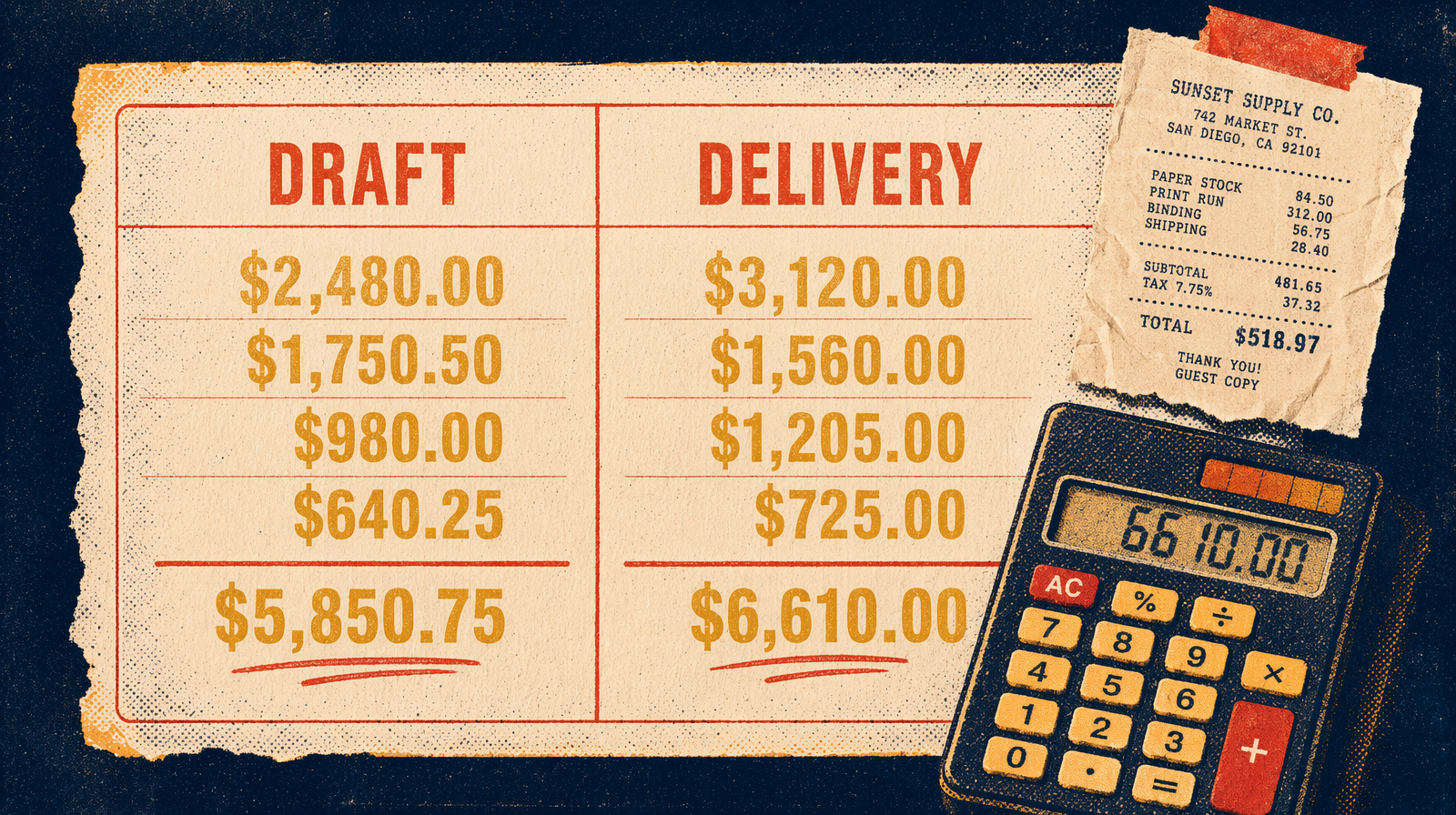
What 256p is for
256p is not a delivery tier. Nobody watches a 256x144 video on purpose. What 256p is good for is the part of your workflow that you actually iterate on: framing, motion arc, camera language, subject pose, prompt wording. At 2 seconds per shot, you get something close to an interactive loop. You type, you submit, you look, you edit the prompt, you submit again.
The rule is simple: use 256p to answer prompt questions. Use 1080p only after the prompt is frozen.
Things 256p can tell you reliably:
- Did the subject show up in frame.
- Is the camera moving the way you described.
- Is the motion arc the right length for the duration.
- Does the staging read left to right or right to left.
Things 256p cannot tell you:
- Whether a face is in focus.
- Whether a lip sync pass landed on the consonants.
- Whether fabric, hair, or water reads as that material.
- Whether text in frame is legible.
If your question is in the first list, render at 256p. If it is in the second list, you need 720p or higher to judge.
A realistic budget exercise
Say you are producing a 30-shot sequence and each shot needs ten prompt iterations before you lock the seed. That is 300 drafts plus 30 final deliveries.
At 256p, 300 drafts at 2 seconds each equals 600 seconds of compute, or about 10 minutes. You can do the draft pass in a coffee break.
At 1080p, those same 300 drafts at 38 seconds each equals 11,400 seconds of compute, or about 3 hours 10 minutes. If your per-second compute cost is even a few cents, you have spent hundreds of dollars confirming that your prompt did not work on attempt 2 of 10.
The delivery pass is small either way. 30 final shots at 1080p is about 19 minutes. That is the tier where your money should go.
The code shape
Keep draft and delivery as two calls with a shared prompt string. Do not try to reuse seeds across resolutions before you have verified the prompt produces what you want.
1import { fal } from "@fal-ai/client";23// or fal-ai/happyhorse/v1/text-to-video once available4const ENDPOINT = "fal-ai/seedance-2.0/text-to-video";56async function draft(prompt: string) {7 const result = await fal.subscribe(ENDPOINT, {8 input: { prompt, resolution: "256p", duration: 5 },9 });10 return result.data;11}1213async function deliver(prompt: string, seed: number) {14 const result = await fal.subscribe(ENDPOINT, {15 input: { prompt, resolution: "1080p", duration: 5, seed },16 });17 return result.data;18}
The seed carryover is the key piece. Once you have a 256p draft you like, grab the seed, then call deliver once at 1080p with the same prompt and that seed. You get a matching composition at delivery resolution without paying for ten 1080p attempts.
When to skip the draft pass
There are shots where 256p gives you nothing. Tight close-ups where the frame is a face. Shots where fabric material is the point. Shots with readable text overlays. On those, jump straight to 720p as your draft tier. 720p on H100 is roughly 12 seconds per 5-second clip, four times faster than 1080p.
For everything else, let 256p do its job. The gap between draft and delivery is the whole budget story.
One more small habit
Log every draft you run. A CSV with prompt, seed, resolution, approved columns will save you from regenerating the same shot three weeks later because you forgot which seed worked.